Loading...
About Malaysia
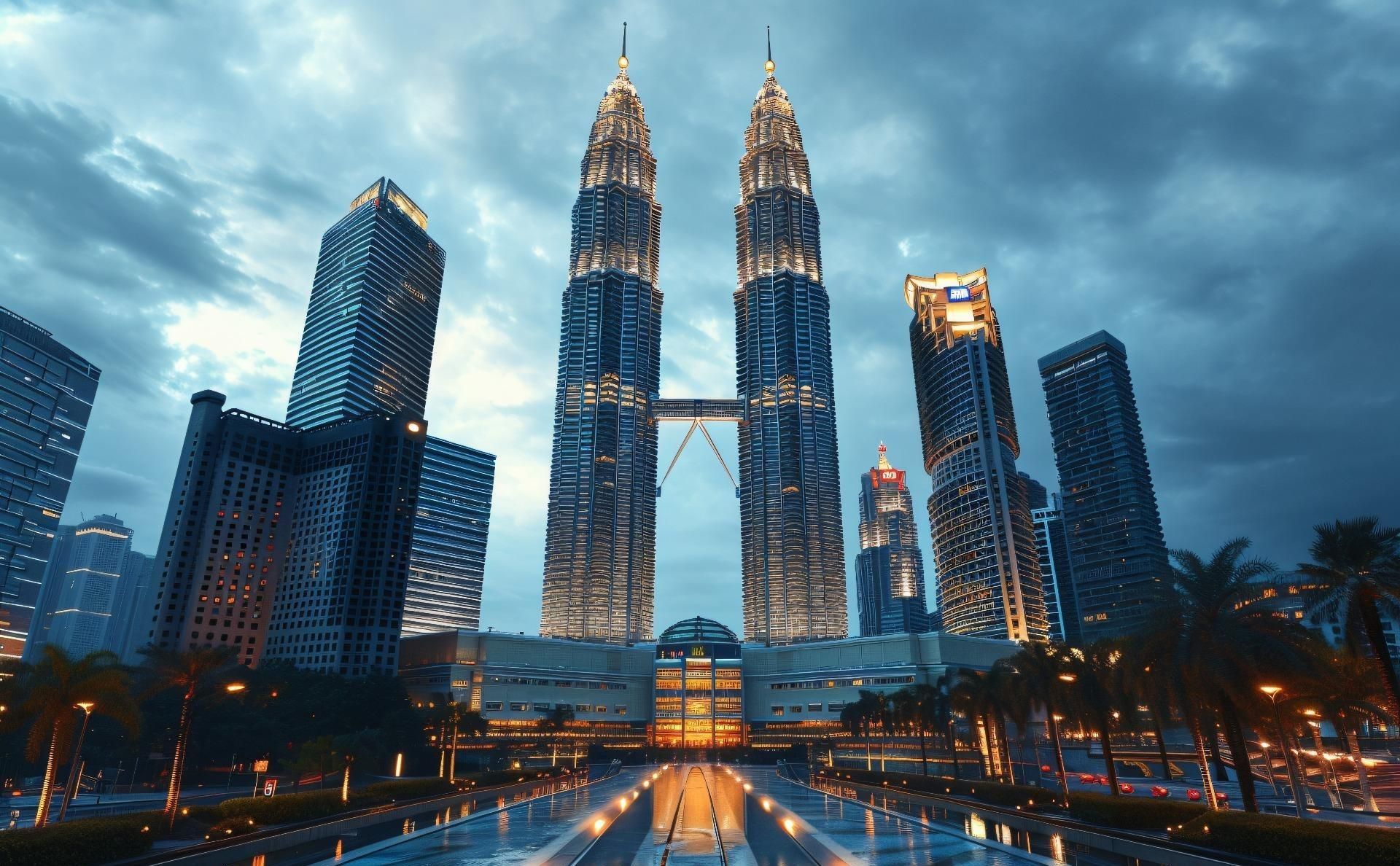
Malaysia is a country where vibrant cities, rich traditions and breathtaking natural landscapes come together. From the iconic skyline of Kuala Lumpur and the heritage streets of George Town and Melaka, to tropical islands, ancient rainforests and the mountains of Borneo, every region offers unique experiences waiting to be discovered.
Home to a diverse mix of cultures, Malaysia is shaped by Malay, Chinese, Indian and Indigenous influences. This diversity is reflected in its festivals, architecture, languages and, most notably, its food. Whether exploring a bustling night market, discovering a historic neighbourhood or experiencing the warmth of local hospitality, visitors will find a destination that is both enriching and welcoming.
Located at the heart of Southeast Asia, Malaysia comprises Peninsular Malaysia and the states of Sabah and Sarawak on the island of Borneo, with the two regions separated by the South China Sea. Its strategic location has long positioned the country as a meeting point for people, cultures and commerce, connecting the region to the wider world.
Weather
Malaysia has a tropical climate, with warm temperatures, high humidity and lush greenery throughout the year. Average temperatures generally range between 23°C and 32°C, with little variation across the seasons.
Rainfall is common, particularly during the monsoon periods, although showers are often brief and followed by sunshine. Weather conditions vary across Peninsular Malaysia, Sabah and Sarawak, with different regions experiencing their wetter periods at different times of the year.
Light, breathable clothing is recommended, together with an umbrella or rain jacket for occasional tropical showers. Whether exploring cities, relaxing on an island or venturing into the rainforest, visitors can expect warm conditions throughout the year.
Time Difference
Time Zone of Bangkok: UTC/ GMT+8
Business Hours in Kuala Lumpur
Operating hours may vary by location and during public holidays. The following timings serve as a general guide for visitors:
Banks
Monday to Friday: 9.15 am – 4.30 pm Closed on weekends and public holidays. Selected branches in shopping malls may offer extended hours.
Government Offices
Monday to Friday: 8.00 am – 5.00 pm Some service counters observe a longer midday break on Fridays.
Post Offices
Monday to Friday: 8.30 am – 5.00 pm Selected branches open on Saturday mornings, while outlets in shopping malls may operate longer hours.
Rail Services
Explore Kuala Lumpur conveniently via the LRT, MRT and KL Monorail. Visit the official rail service website for routes, fares and the latest operating information.
Daily: Approximately 6.00 am – 12.00 midnight Operating times for the LRT, MRT and KL Monorail may vary slightly by line and station.
Website: https://myrapid.com.my/
Shopping Malls and Department Stores
Daily: Generally 10.00 am – 10.00 pm Restaurants, supermarkets and entertainment venues may remain open later.
Embassies and Consulates
Most operate from Monday to Friday, with consular services available during designated hours. Appointments may be required, so visitors are advised to check with the relevant mission in advance.
Foreign Exchange
Sales and Service Tax
Malaysia applies a Sales and Service Tax (SST). Sales tax is generally charged at 5% or 10% on selected goods, while service tax is generally charged at 8%, with certain services subject to a 6% rate.
Applicable taxes and service charges may be displayed separately on bills and receipts, particularly at hotels, restaurants and other service establishments.
Credit Cards and Digital Payments
Major international credit and debit cards are widely accepted throughout Malaysia, particularly at hotels, shopping malls, restaurants and major retailers.
Contactless and digital payments are also commonly used. However, it is advisable to carry a small amount of cash for use at markets, small vendors and smaller establishments.
Money Exchange
Malaysia’s official currency is the Malaysian Ringgit, commonly represented as RM, with the currency code MYR.
Foreign currency can be exchanged at banks and licensed money changers throughout Malaysia, including at airports and major shopping districts. Exchange rates and service fees may vary between providers, so visitors are encouraged to check rates and use only authorised exchange services.
Telephone code, Emergency & Useful Numbers
Country Code: +60
Kuala Lumpur Area Code: 03
When calling a Kuala Lumpur number from outside Malaysia, omit the first “0” and dial +60 3, followed by the local number.
Mobile Connectivity
Prepaid SIM cards, eSIMs and short-term data plans are readily available from Malaysia’s major mobile service providers. Visitors can purchase them at KL International Airport, authorised retailers and telecommunications outlets throughout Kuala Lumpur.
Most plans offer 4G or 5G connectivity, with daily, weekly and monthly options available to suit the duration of your stay.
General Emergency
999
Malaysia’s primary emergency number connects callers to the police, ambulance, fire and rescue services. The service is available 24 hours a day.
Mobile Emergency Number: 112
The number 112 may also be used when making an emergency call from a mobile phone.
Kuala Lumpur Tourist Police
Hotline: +603 2149 6590 General Enquiries: +603 2149 6593
The Tourist Police can assist visitors with safety concerns, lost belongings, police reports and other travel-related matters.
Rapid KL Helpline
+603 7885 2585
For enquiries and assistance relating to Kuala Lumpur LRT, MRT, Monorail and Rapid KL bus services.
Operating Hours: Daily, 6.00 am – 12.00 midnight
Immigration Department of Malaysia
+603 8000 8000
For general enquiries relating to Malaysian immigration procedures and services.
Clothing
Language
Bahasa Malaysia (Malay) is the national and official language of Malaysia. English is widely spoken, particularly in major cities such as Kuala Lumpur, and is commonly used in business, hospitality, tourism and international events.
Malaysia is a multicultural and multilingual country, and visitors may also hear Mandarin, Cantonese, Tamil, as well as a variety of Chinese dialects and Indigenous languages. This linguistic diversity reflects the many communities that shape the country's identity.
International visitors will generally find it easy to communicate in English throughout Malaysia, particularly in major cities and tourist destinations. Nevertheless, learning a few simple Malay phrases is always appreciated:
Using a few simple Malay phrases is a thoughtful way to connect with local communities and enhance your experience while visiting Malaysia.
Culture
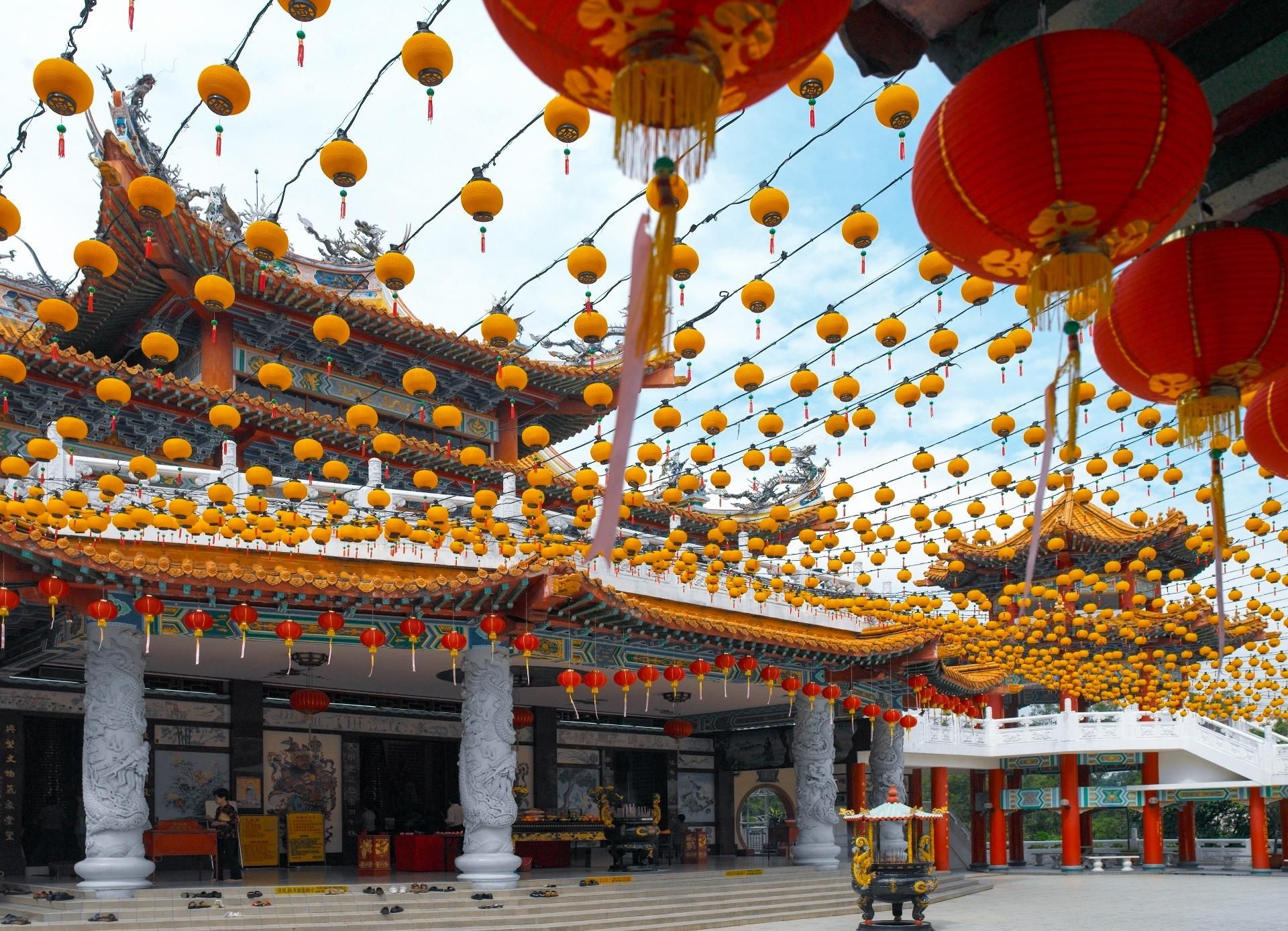
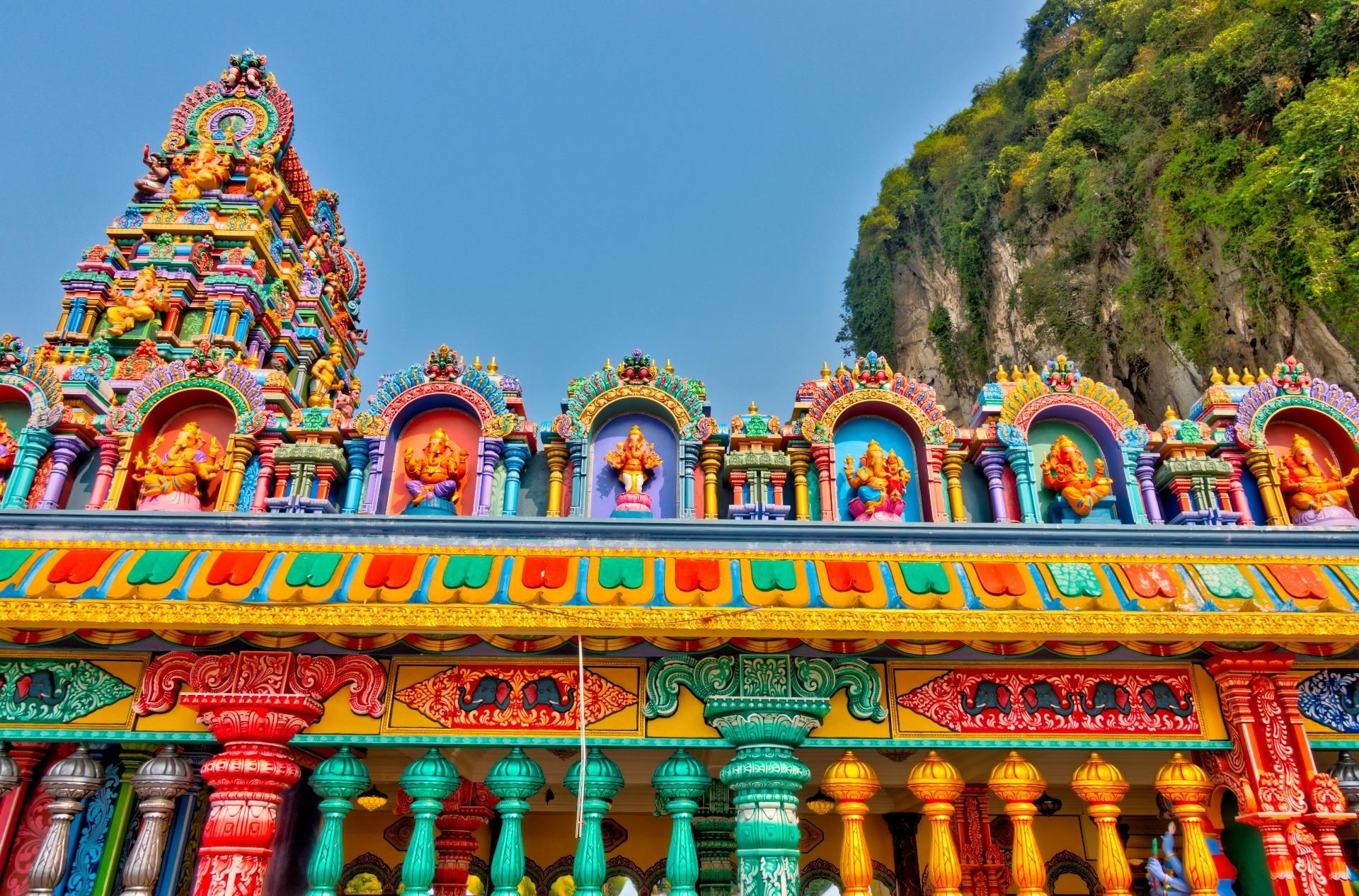
Malaysia’s culture is shaped by a rich blend of Malay, Chinese, Indian and Indigenous traditions. This diversity is reflected in everyday life, from festivals and architecture to language, food and hospitality.
Respect, warmth and courtesy are highly valued. A friendly greeting is always appreciated, while modest dress and respectful behaviour are recommended when visiting places of worship. Malaysia’s multicultural character offers visitors a unique blend of tradition and modernity, creating a welcoming environment for people from around the world.
Food & Beverage
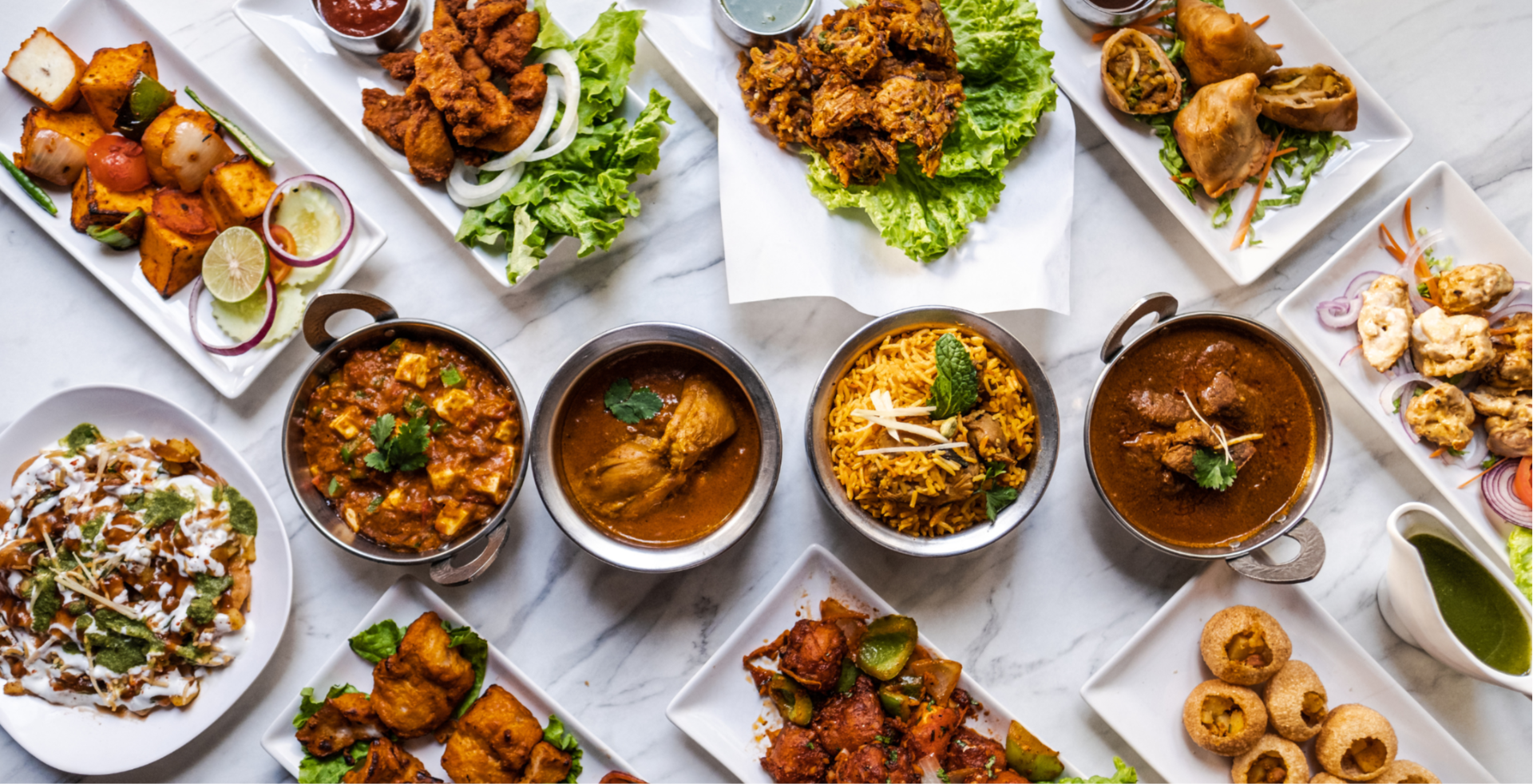
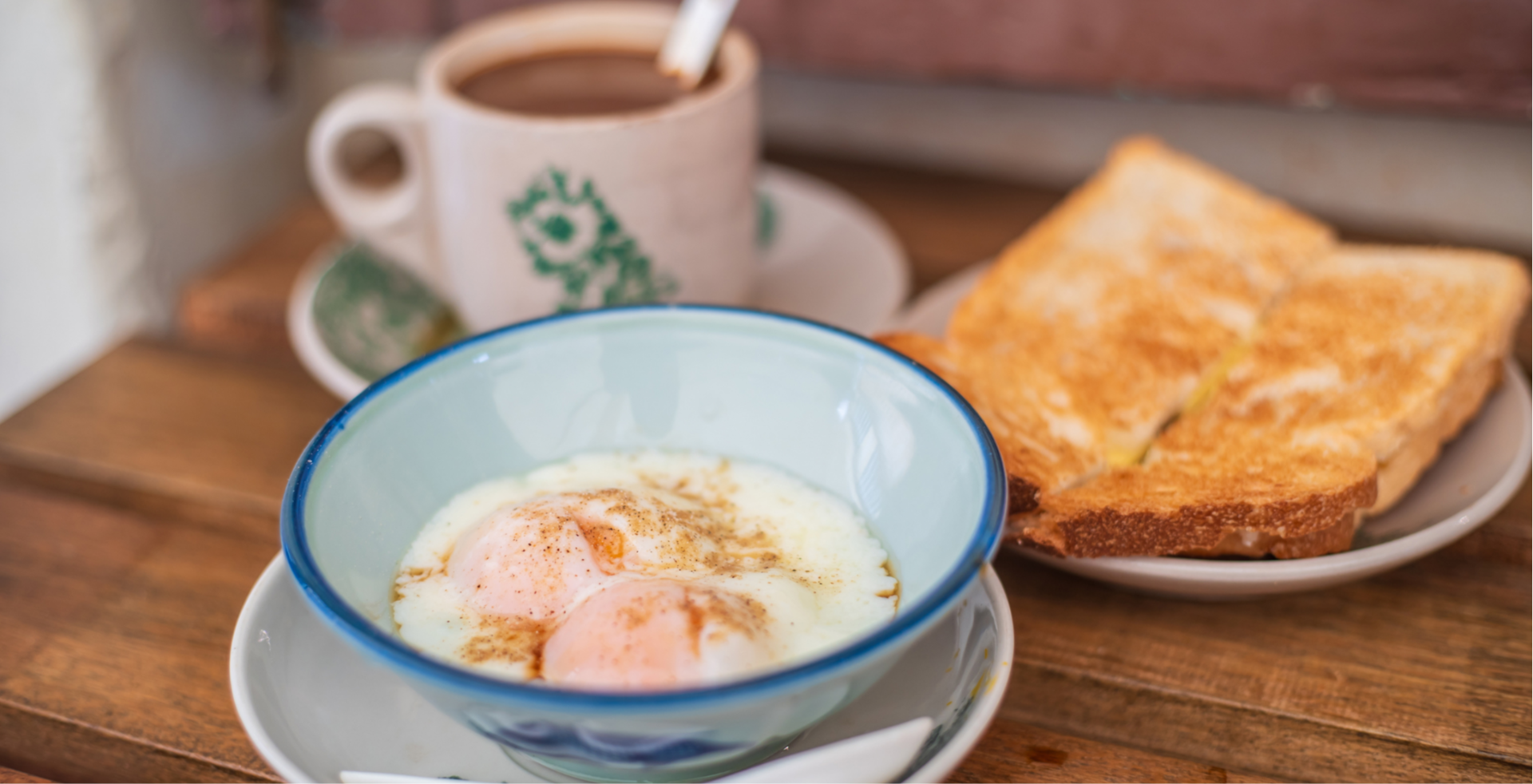
Malaysian cuisine is renowned for its bold flavours and rich multicultural influences, bringing together Malay, Chinese, Indian and regional culinary traditions. From bustling street food stalls to contemporary restaurants and international dining, Kuala Lumpur offers something to suit every taste.
Food is an integral part of Malaysian culture, and visitors will find a wide variety of local specialities throughout the city.
Must-Try Dishes
Etiquette
Malaysians value courtesy, respect and cultural sensitivity. A handshake, nod or smile is a common way to greet someone, although some Muslim women may prefer not to shake hands.
When giving or receiving items, it is customary to use your right hand. Visitors should also remove their shoes before entering homes and places of worship. Modest attire and respectful behaviour are recommended when visiting religious sites.
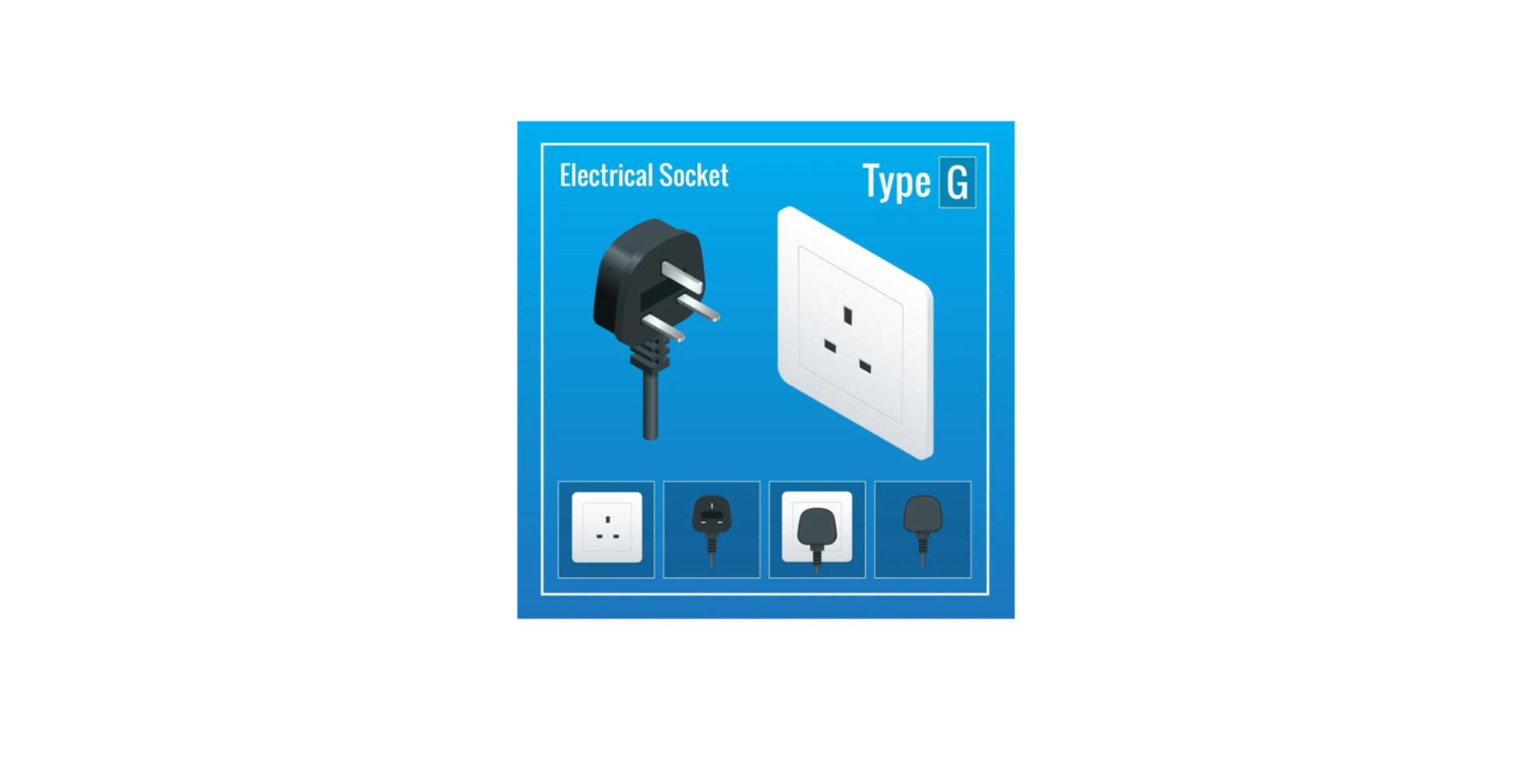
Electricity, Socket Type
Malaysia uses Type G three-pin square plugs, with a standard voltage of 220–240V and a frequency of 50Hz. Visitors whose devices use a different plug type should bring a suitable travel adaptor.